Southbury station rug cleaning tips for period homes
Posted on 30/06/2026
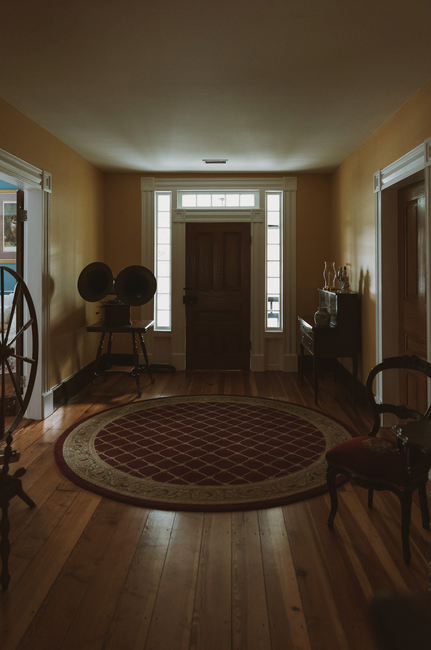
If you live in a period home near Southbury station, you probably already know the quiet tension of caring for older interiors: the beautiful floors, the worn timber, the deep skirting boards, and then the rug that quietly takes the brunt of everyday life. Spilled tea, muddy shoes, pet hair, winter grit, all of it ends up there. These Southbury station rug cleaning tips for period homes are designed to help you clean more confidently without upsetting delicate fibres, aged underlays, or the character of the room.
The trick is not to clean harder. It is to clean more carefully. With older properties, that small shift matters a lot.
Why Southbury station rug cleaning tips for period homes Matters
Period homes have a different rhythm from newer flats. Floors can be uneven, fireplaces may throw dry soot into the air, and natural ventilation can change how dust settles. Rugs in those rooms do more than add style; they protect flooring, soften acoustics, and help a space feel warm rather than draughty. But they also collect debris in a way that is easy to miss.
That is why rug cleaning near Southbury station, especially in older homes, needs a gentler mindset. Wool rugs, flatweaves, antique runners, and layered hallway pieces can all react differently to moisture and agitation. Use the wrong method and you can end up with shrinkage, colour bleed, curling edges, or a patch that dries a little stiffer than you expected. Not ideal, to be fair.
There is also the practical side. Southbury station homes often sit in busy family neighbourhoods, which means high footfall at the doorway, more outdoor dirt, and more seasonal debris. In autumn and winter, that grit works like sandpaper. Over time, it dulls fibres and pushes fine dirt deeper into the pile. Regular, careful cleaning is not just about appearance; it helps preserve the rug and the room beneath it.
If you are already thinking in terms of a wider refresh, it can help to look at broader support such as deep cleaning for the whole home or a seasonal reset through spring cleaning in Enfield. A rug rarely sits in isolation. It is part of the room's wider fabric.
How Southbury station rug cleaning tips for period homes Works
At its simplest, effective rug cleaning is a sequence: remove loose debris, identify the fibre, test any cleaner, lift stains carefully, then dry the rug thoroughly and evenly. In older homes, the sequence matters because the building itself can affect the outcome. Cold rooms, heavy curtains, old floors, and mixed materials all change how quickly a rug dries and how safely it should be handled.
Most successful cleaning starts with fibre identification. Wool behaves differently from cotton, viscose, jute, silk blends, and synthetic pile. A wool rug often tolerates low-moisture cleaning and mild detergent. A jute rug, by contrast, can brown or distort if soaked. Viscose can look fine while damp and then become rough or dull later. That is the sort of surprise no one wants on a Sunday afternoon.
In a period property, you also need to think about what is underneath the rug. Old floorboards may have gaps, original finishes may be sensitive to water, and underlays can trap moisture. So, instead of flooding the fibres, think in terms of controlled application, careful blotting, and excellent airflow. Open a window a little if weather allows. Move a fan across the room, not directly blasting the rug. Slow and steady usually wins here.
For householders who prefer a broader maintenance plan, a reputable services overview is useful because it helps you see how rug care fits alongside household cleaning, upholstery, and regular upkeep. That wider view often saves time later.
Key Benefits and Practical Advantages
Good rug care in period homes brings benefits you can see and some you only notice after a few months.
- Preserves heritage character: Cleaner rugs make old rooms feel cared for, not tired.
- Protects the pile: Regular dust removal stops grit from grinding fibres down.
- Improves indoor comfort: Rugs hold less odour and fewer allergens when maintained properly.
- Reduces replacement costs: A well-kept rug lasts longer, especially in high-traffic halls and living rooms.
- Supports floor protection: Clean, dry rugs are less likely to trap moisture against old boards.
- Makes spot cleaning easier: A rug that is looked after tends to resist permanent staining better.
There is also a visual benefit that people often underestimate. In a period dining room or front parlour, a rug can anchor the whole space. If the rug looks muddy or flattened, the room feels smaller and more cluttered. If it is fresh and well-kept, suddenly the cornicing and sash windows seem brighter. Funny how that works.
For readers comparing routine domestic support options, the service pages for domestic cleaning in Enfield and house cleaning in Enfield can be helpful context if you are trying to understand how rug care fits into a broader cleaning routine rather than a one-off rescue job.
Who This Is For and When It Makes Sense
This advice is most useful if you live in or look after a period home near Southbury station and your rug is more than decorative. Maybe it sits in a hallway with heavy traffic. Maybe it is an old wool runner in a narrow stair landing. Maybe you have a family room where crumbs, dust, and pet fur seem to multiply overnight.
It also makes sense if you are:
- moving into an older property and want to set up a sensible cleaning routine;
- preparing a home for guests, selling, or letting;
- dealing with a known stain before it settles in;
- looking after a rug with sentimental or financial value;
- unsure whether a rug should be hand-cleaned, steam-cleaned, or professionally treated;
- trying to reduce dust buildup without damaging delicate materials.
If you are in the middle of a house move or a larger declutter, you may find it useful to compare these tips with a broader service like one-off cleaning in Enfield. A one-off visit can be the right call when a rug is part of a much bigger mess, not just a single mark.
And if you are dealing with end-of-tenancy pressure, especially in an older rental, the guidance in end of tenancy cleaning in Enfield may also be useful. Period homes can be charming, but they do not forgive shortcuts. Not really.
Step-by-Step Guidance
Here is a practical cleaning order that works well for many rugs in older homes. Keep it calm. Keep it methodical. That is half the battle.
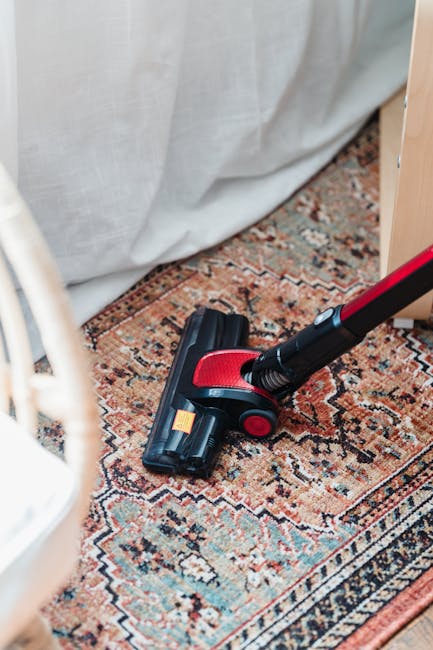
- Vacuum both sides if possible. Use a suction setting that lifts grit without dragging fibres. On older or fragile rugs, avoid aggressive rotating heads unless the manufacturer says it is safe.
- Check the fibre and construction. Wool, cotton, jute, flatweave, tufted, hand-knotted, and synthetic rugs all need slightly different care. If in doubt, assume the rug is more delicate than it looks.
- Test a hidden patch. Choose a corner or edge and apply a tiny amount of your chosen cleaner. Wait to see whether the colour shifts, the texture changes, or the backing reacts.
- Treat fresh spills first. Blot from the outside in. Do not scrub. Scrubbing can push the stain deeper and distort the pile.
- Use minimal moisture. A lightly damp microfibre cloth or a carefully applied cleaner is usually safer than soaking the area.
- Work in small sections. In period homes, drying is often slower because rooms can be cool and less ventilated. Smaller sections reduce the risk of tide marks.
- Rinse lightly if needed. Residue can attract dirt. If you use a cleaner, remove what you can with a clean damp cloth and then dry thoroughly.
- Dry evenly. Lift the rug slightly if possible, use airflow, and turn the rug if one side is drying faster than the other.
- Brush or groom the pile. Once dry, a soft brush can help restore the look of some rugs. Do not do this on every fibre type.
- Reassess after 24 hours. Some stains reappear as moisture rises. If that happens, treat again gently rather than escalating too quickly.
A small note from experience: if the room smells slightly musty after cleaning, stop and check drying before you do anything else. The smell is often the first clue that moisture is lingering under the rug or near the floor. A bit annoying, yes, but very fixable if caught early.
Expert Tips for Better Results
These are the details that tend to separate a decent clean from a really solid one.
- Use a rug pad where suitable. It reduces movement, protects floors, and helps air circulate underneath. In a period home, that can matter more than people think.
- Rotate the rug regularly. Sunlight and foot traffic rarely land evenly. Rotation helps prevent one patch from ageing faster than the rest.
- Deal with grit before stains. Dry debris is one of the biggest enemies of rug longevity. Vacuuming properly can do more good than a rushed wet clean.
- Keep cleaning products gentle. Strong alkaline products and heavy fragrance can be risky on older fibres. Mild solutions are usually safer.
- Mind the backing. The face of the rug may look robust, but the backing and binding can be the weak point.
- Lift furniture carefully. When moving a side table or chair, do not drag it across the rug. That sounds obvious until you are in a hurry and then, well, there goes the edge.
- Schedule seasonal checks. A quick inspection every few months helps you catch moth damage, colour loss, frayed borders, or damp patches early.
If your home includes textiles beyond rugs, the article on caring for velvet curtains is a useful companion read. Different fabric, same principle: gentleness first, haste last.
Common Mistakes to Avoid
Most rug problems in older homes are not caused by one dramatic error. They come from a few small habits repeated over time. Easy to do, honestly.
- Over-wetting the rug: Too much water can shrink natural fibres, damage backing, or leave the rug smelling stale.
- Scrubbing hard: This roughs up the pile and can spread stains.
- Using the wrong cleaner: Bleach, harsh stain removers, and strong detergents can permanently change colour or texture.
- Ignoring the floor underneath: A rug can look dry on top while the floor below stays damp.
- Drying too slowly: Long drying times raise the risk of mildew and odour.
- Putting a rug back too soon: It may feel dry at the surface but still hold moisture deeper down.
- Assuming all stains are the same: Tea, wine, mud, wax, and pet accidents behave differently. They need different handling.
A common one is trying to "rescue" a stain by adding more product every ten minutes. That usually just makes the patch wider. Pause. Let it dry a little. Then reassess.
Tools, Resources and Recommendations
You do not need a cupboard full of specialist kit to look after a rug well. In many cases, simple tools beat complicated ones.
| Tool or resource | Best use | Why it helps in period homes |
|---|---|---|
| Vacuum with adjustable suction | Routine dust and grit removal | Safer on delicate fibres and older fringes |
| Microfibre cloths | Blotting and light cleaning | Control moisture without flooding the rug |
| Soft-bristle brush | Gentle pile grooming | Helps restore texture after drying |
| White towels | Spot treatment and drying checks | Useful for spotting colour transfer |
| Rug pad | Stability and floor protection | Helps prevent slipping on uneven or polished floors |
When the rug is large, antique, or simply awkward to move, a professional clean can be the sanest option. If you are weighing up what a broader clean might include, the pricing and quotes page is a sensible place to start, and the request a quote option is useful when you want a tailored answer rather than guesswork.
If your main question is whether the whole property needs attention rather than just the rug, the carpet cleaning in Enfield service page can help you compare a targeted rug clean with room-by-room carpet care. Sometimes the right answer is both. Sometimes not. Depends on the state of the place, really.
Law, Compliance, Standards, or Best Practice
There are not many special legal rules for cleaning a private household rug, but best practice still matters. In the UK, cleaners and homeowners are generally expected to use products safely, follow manufacturer instructions where available, and avoid causing damage to materials or flooring. If you hire a professional, you should expect sensible handling of chemicals, attention to ventilation, and care around electrical equipment and water.
In a period home, that also means being careful with older finishes, fragile floorboards, and any rug containing natural fibres, dyes, or decorative trims. If a rug has sentimental or financial value, ask questions before cleaning begins. A trustworthy provider should explain the method, drying time, and any limits up front.
It is also fair to look for broader service standards. A company's insurance and safety information, health and safety policy, and terms and conditions can tell you a lot about how carefully work is handled. That may sound a bit dry, but in practice it is exactly the sort of detail that protects you if something unexpected happens.
Options, Methods, or Comparison Table
Different rugs need different approaches. Here is a practical comparison of common methods.
| Method | Best for | Pros | Watch-outs |
|---|---|---|---|
| Dry vacuuming | Routine upkeep | Fast, safe, low risk | Won't remove deep stains |
| Spot cleaning | Fresh spills and small marks | Targeted and efficient | Can spread stain if overdone |
| Light hand washing | Some wool or cotton rugs | More control over moisture | Requires care and proper drying |
| Professional rug cleaning | Antique, valuable, large, or fragile rugs | Expert handling and better stain management | Higher cost and collection logistics |
In period homes, professional cleaning often becomes the better option sooner than it would in newer properties. That is mostly because the risk is not just the rug; it is the whole room. Damp timber, old paint, and delicate bindings can all complicate DIY work.
Case Study or Real-World Example
Picture a Victorian terrace near Southbury station with a narrow front room, a wool rug under a small seating area, and a hallway runner that gets the full blast of wet shoes every weekday. Nothing dramatic. Just normal life. The homeowner notices a dull patch near the doorway and a faint, not-quite-right smell after a rainy week.
Instead of soaking the rug, they vacuum thoroughly, lift the edges to check for damp under the backing, and test a gentle cleaner on a hidden corner. The doorway patch is treated in small stages with blotting rather than scrubbing. A fan is used to keep the air moving, and the rug is left slightly raised so the underside can dry. No heroics.
Within a day, the smell has gone and the pile has recovered better than expected. More importantly, the homeowner now has a routine: vacuum weekly, rotate the rug every few months, and deal with spills straight away. That is the real win. Not a perfect Instagram rug, just a home that feels looked after.
In cases where the broader home needs attention as well, readers often pair rug care with house cleaning in Enfield or a more targeted office cleaning service if a mixed-use period property is involved. Different setting, same principle: preserve what matters, clean what collects.
Practical Checklist
Use this before you start cleaning a rug in a period home.
- Identify the rug fibre and backing if possible.
- Vacuum gently and remove loose grit first.
- Test cleaner on a hidden patch.
- Check the floor beneath for moisture sensitivity.
- Use as little liquid as needed.
- Blot, do not scrub.
- Dry with airflow and patience.
- Inspect fringes, borders, and corners after cleaning.
- Rotate the rug if sunlight or traffic is uneven.
- Call in a professional if the rug is antique, large, or fragile.
Quick expert summary: treat the rug gently, keep moisture controlled, and respect the age of the room as much as the age of the rug. That combination tends to produce the best results.
Get a free quote today and see how much you can save.
Conclusion
Rug care in a period home is never just about removing dirt. It is about preserving the atmosphere of the room while protecting materials that may already have had decades of life. If you are close to Southbury station, the daily reality is probably a mix of family traffic, weather, dust, and the occasional spill that appears out of nowhere. That is normal. It does not mean your rug is ruined.
With the right Southbury station rug cleaning tips for period homes, you can handle routine upkeep confidently, avoid the common mistakes, and know when to stop and ask for help. Be gentle, be methodical, and do not rush the drying stage. Honestly, that last part does the heavy lifting more often than people realise.
And if all you do this week is give the rug a proper vacuum and check the corners for moisture, that is a decent start. Small care, repeated well, goes a long way.